
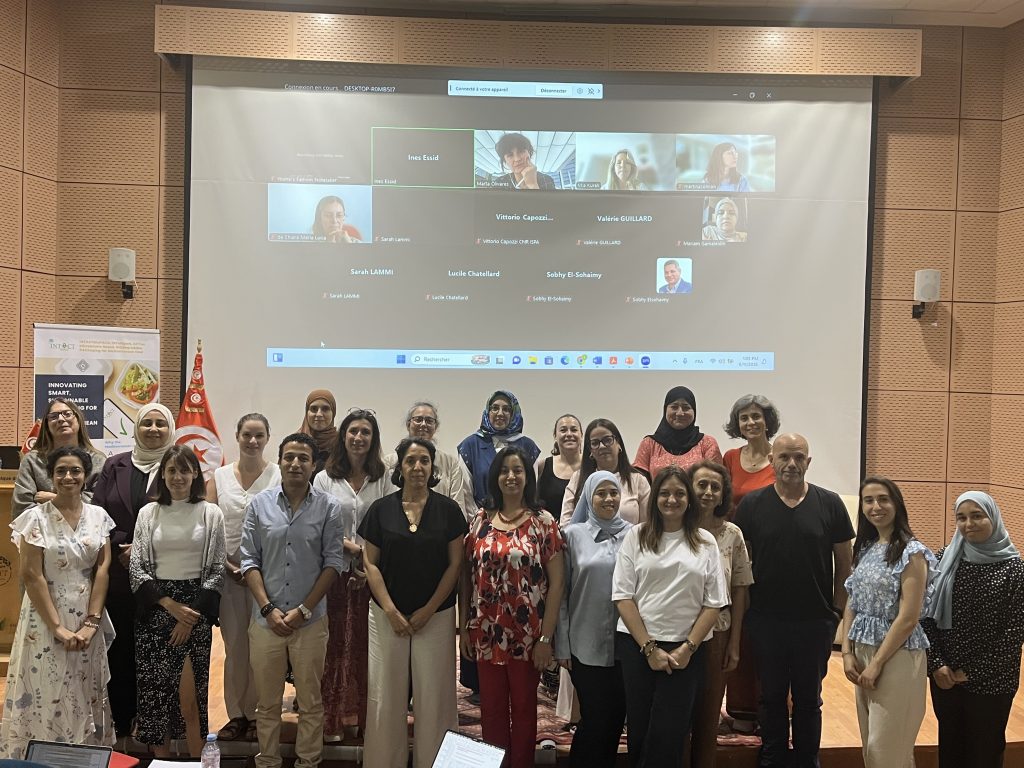
On 11 and 12 June 2026, the INTACTBioPACK consortium gathered in Tunis, Tunisia, for its second annual meeting. The event brought together eleven partner institutions from nine countries, alongside industry representatives and key stakeholders. Together, they worked to advance sustainable bio-based packaging solutions for the Mediterranean region.
A Project Rooted in Euro-Mediterranean Collaboration
INTACTBioPACK is funded under the PRIMA Programme and the European Union’s Horizon 2020 Framework Programme. The project brings together research institutions and industry partners from nine countries, including France, Croatia, Portugal, Algeria, Turkey, Italy, Egypt, Tunisia, and Spain. Its mission is to develop innovative biodegradable packaging materials from bio-based resources. The project aims to support a more circular and sustainable food packaging sector in the Mediterranean basin.
Indeed, the annual meeting is a cornerstone moment in the project calendar, providing a time for all partners to come together, share progress, align strategies, and reinforce the collaborative spirit that drives the project forward.
This year, in particular, Tunisia served as the host country, with the event distributed across two landmark institutions: the Institut National Agronomique de Tunisie (INAT) and the Centre Technique de l’Emballage et du Conditionnement (PACKTEC).
Day 1: Consortium Meeting at INAT
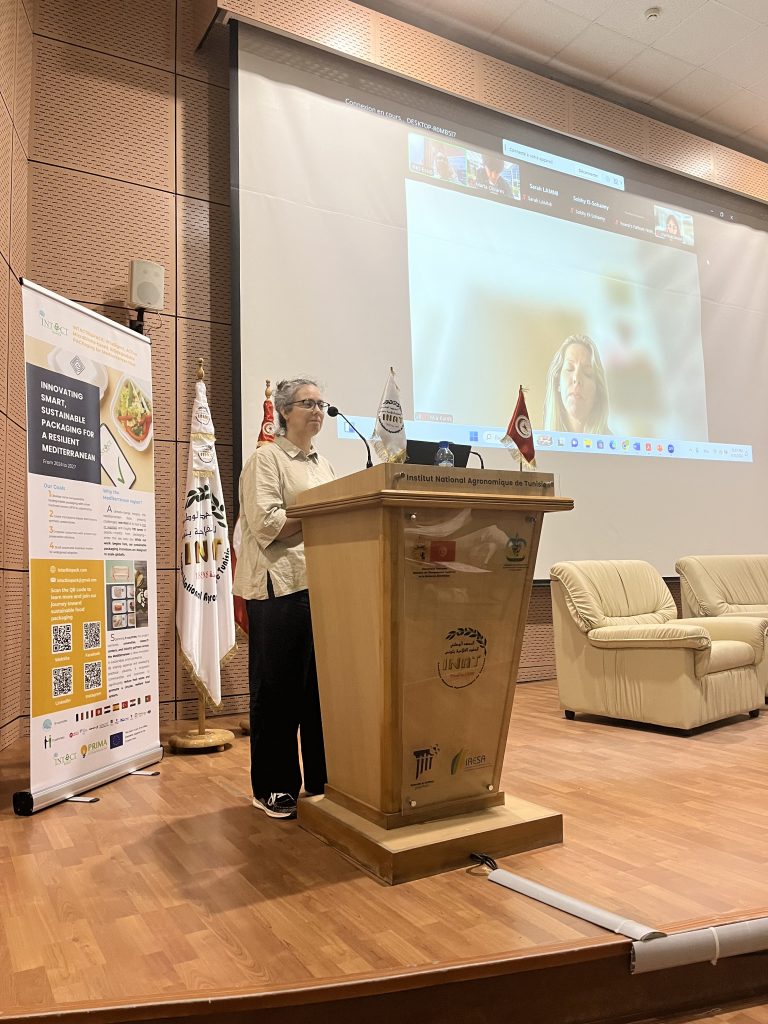
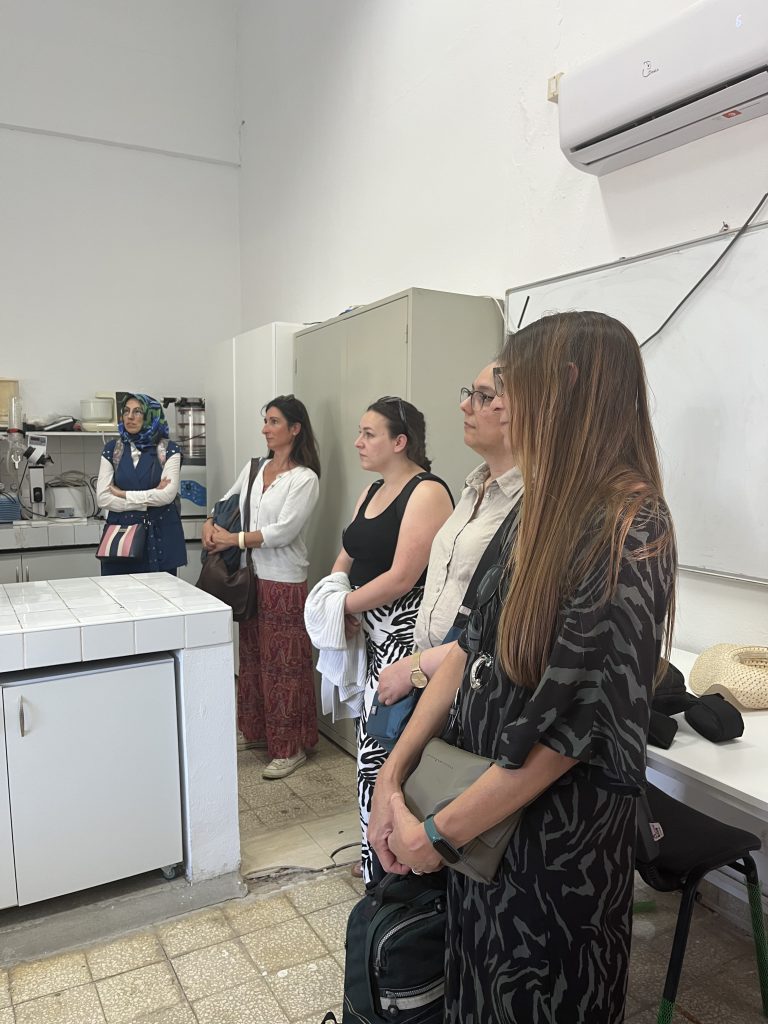
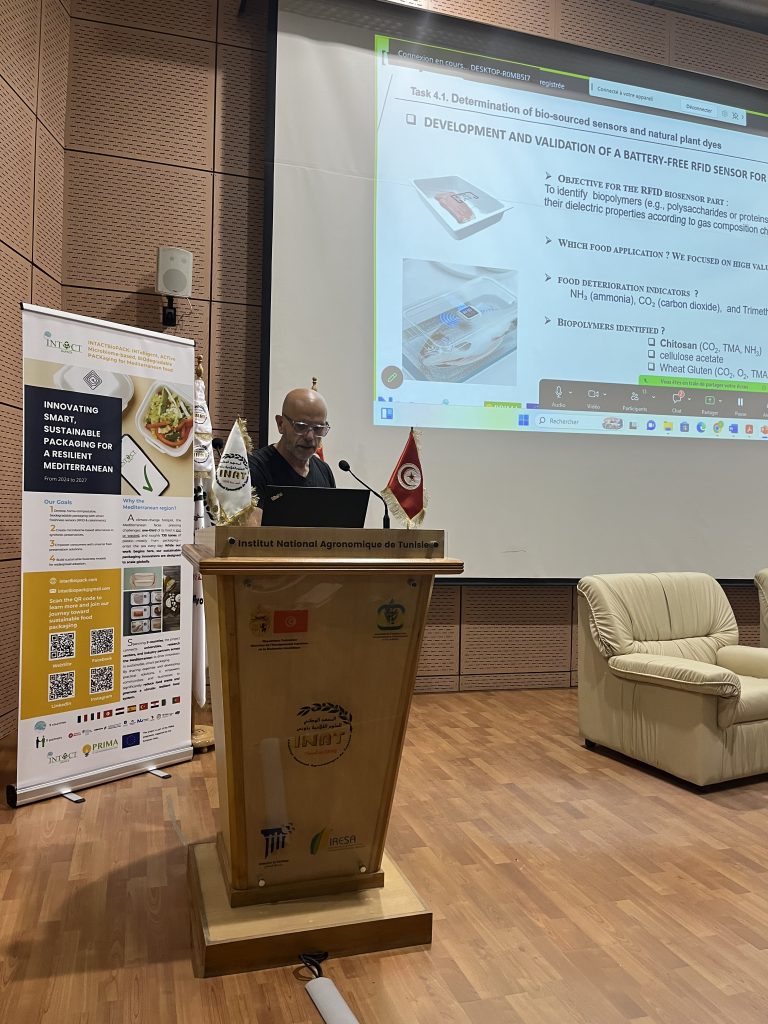
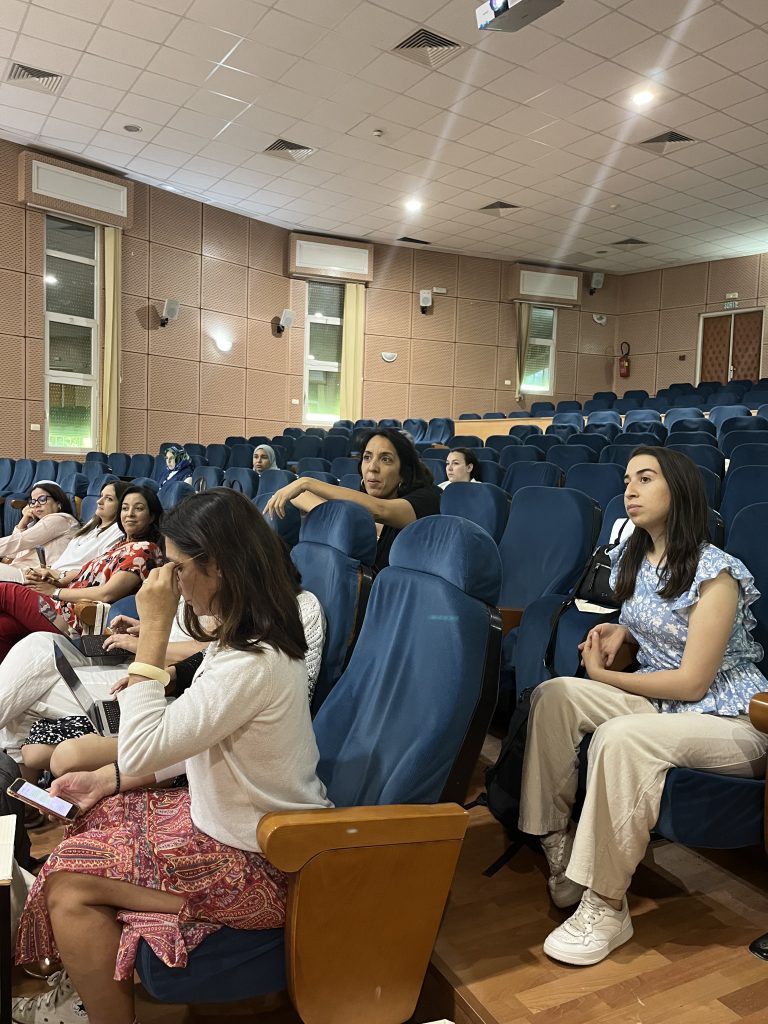
To begin with, the first day brought all eleven project partners together at the Institut National Agronomique de Tunisie for an internal consortium session. During the meeting, Work package leaders presented updates on ongoing research activities. They also reviewed project milestones and key results achieved during the second year. These sessions allowed teams to review what has been accomplished, identify areas requiring coordination, and set clear priorities for the months ahead.
Moreover, beyond the formal agenda, the day offered a valuable opportunity for partners to reconnect. It strengthened collaboration across institutions and disciplines. The richness of INTACTBioPACK lies precisely in the diversity of its consortium, spanning food science, biotechnology, materials engineering, agronomy, and packaging technology across nine countries. Bringing these perspectives into the same room and around the same table remains one of the most productive dynamics the project can generate.
Day 2: Opening Words and Stakeholder Round Table at PACKTEC
On the following day, the programme continued at PACKTEC with welcoming remarks from Madame Narjes Maslah El Hammar, Director of PACKTEC, who set an inspiring tone for what proved to be a rich and substantive day of dialogue between the consortium and the wider industrial community.
At the heart of the programme, the Stakeholder Round Table brought together an open and structured exchange designed to bridge the gap between scientific research and real-world industrial needs. Representatives from agri-food and packaging companies joined researchers to discuss three core questions shaping the future of sustainable packaging in the region.
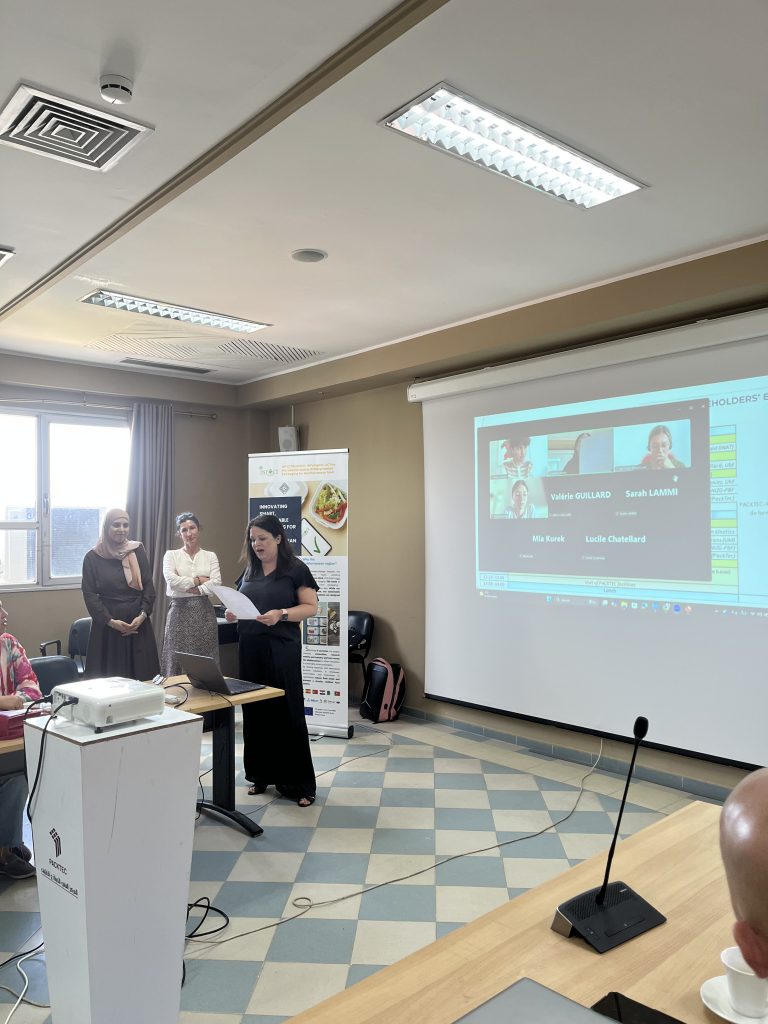
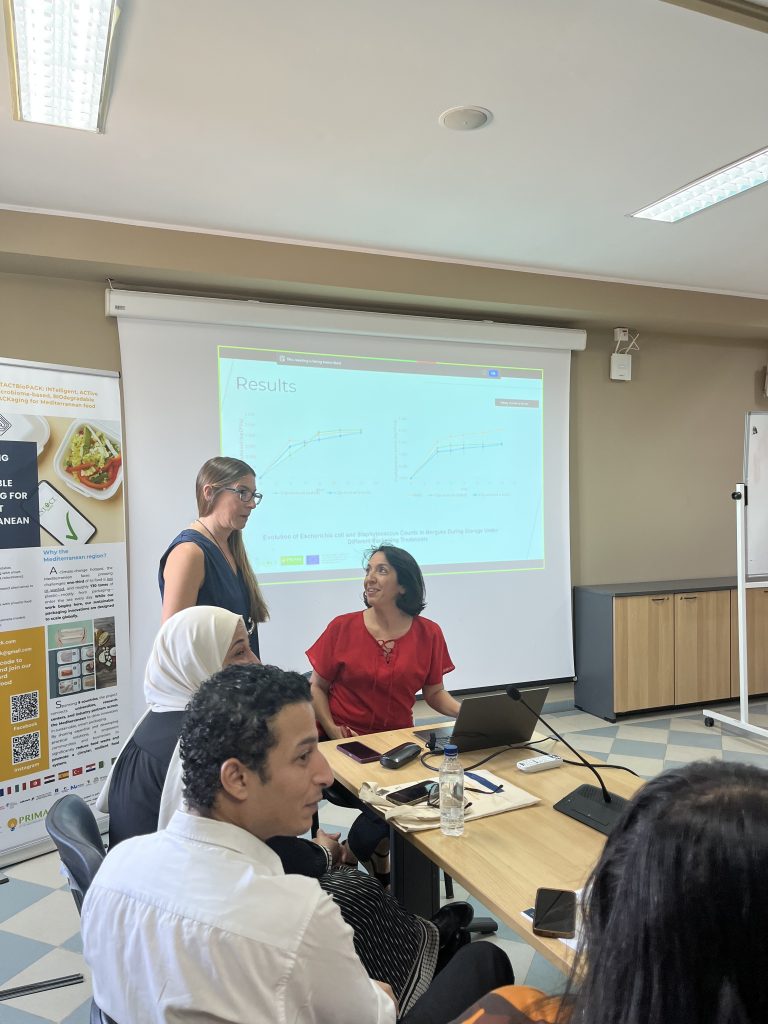
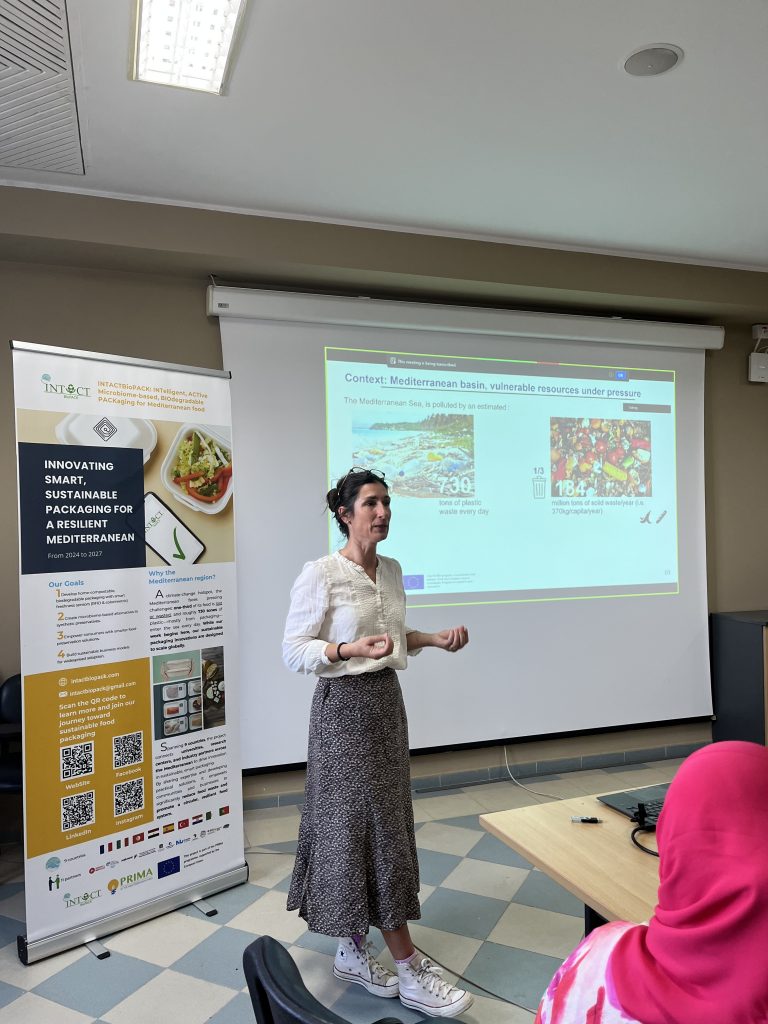
Reducing plastic use in industrial operations. In particular, industry participants shared the concrete steps their organisations are taking to reduce plastic consumption and improve sustainability performance, offering a candid picture of where progress is being made and where challenges remain.
Barriers and levers for the adoption of biodegradable packaging. At the same time, the group examined what is preventing biodegradable alternatives from scaling up across markets, from regulatory and economic factors to supply chain constraints and consumer readiness. It explored which enabling conditions could most effectively accelerate the transition.
Policy debate: bans or incentives?
Furthermore, Participants also discussed effective policy approaches for reducing plastic pollution. They compared regulatory bans with market-based incentives as possible solutions for change.
In addition, the round table was attended by representatives from Delice Holding, La Ferme de la Reine, Société El Mazraa, Boudjebel VACPA, CHITELIX, and Lesaffre. Their participation enriched the discussion with direct industry insight and reinforced the project’s commitment to ensuring that its research outputs connect meaningfully with market realities.
A Window into Tunisian Innovation: Visit to CHITELIX in Bizerte
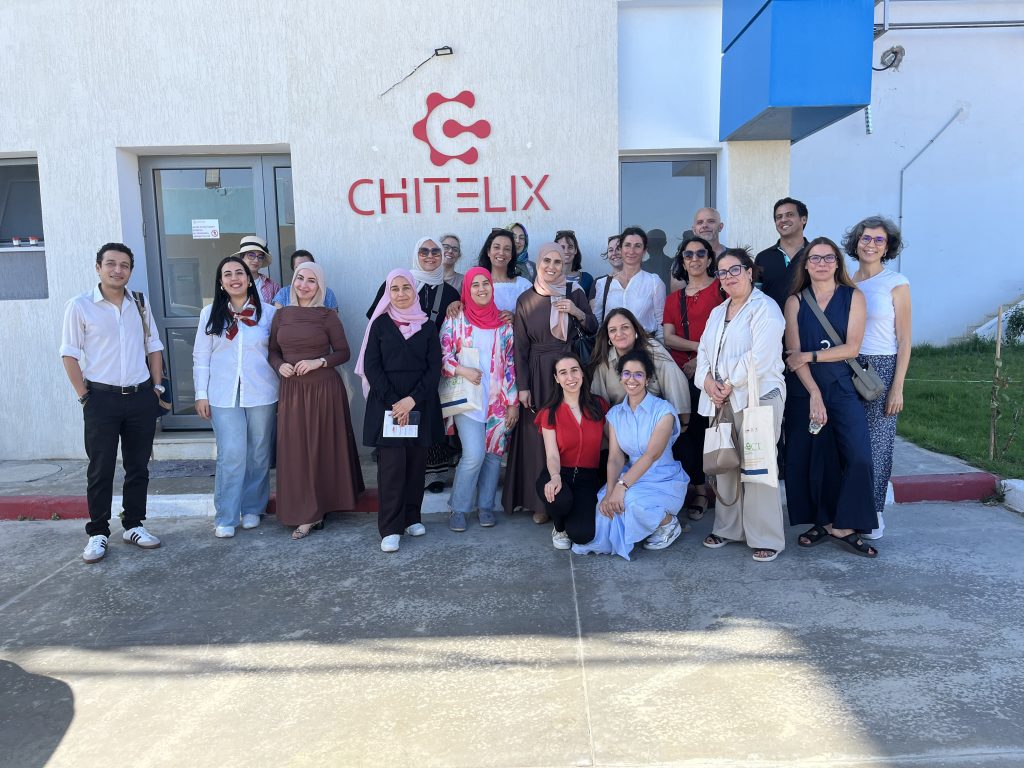
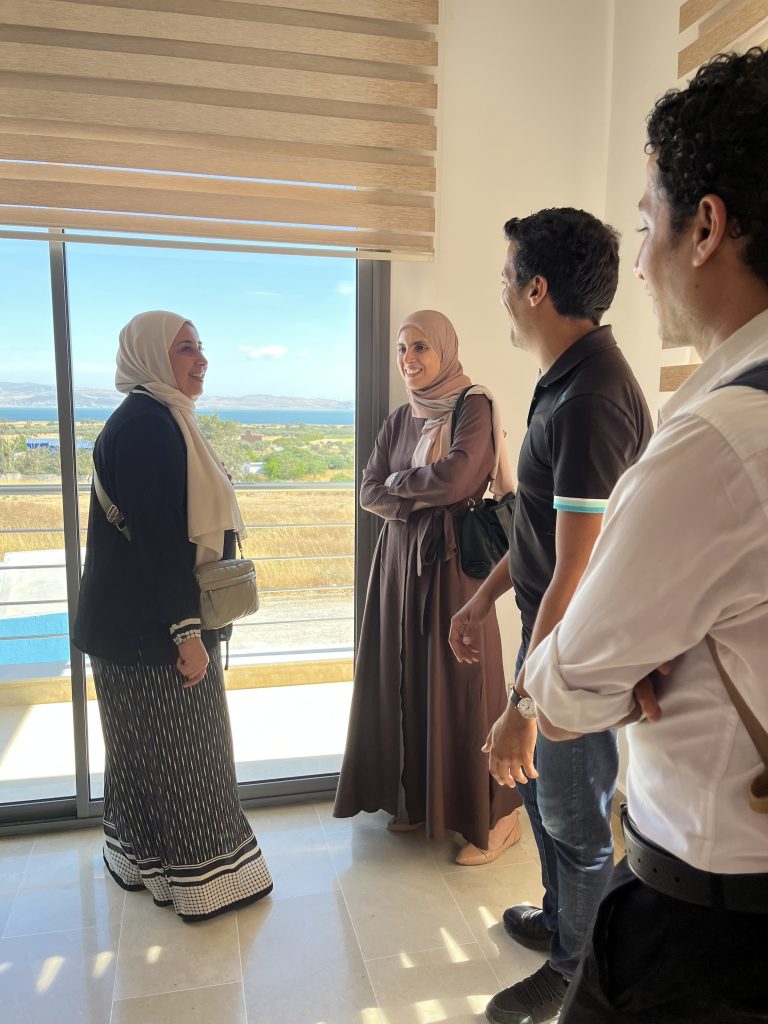
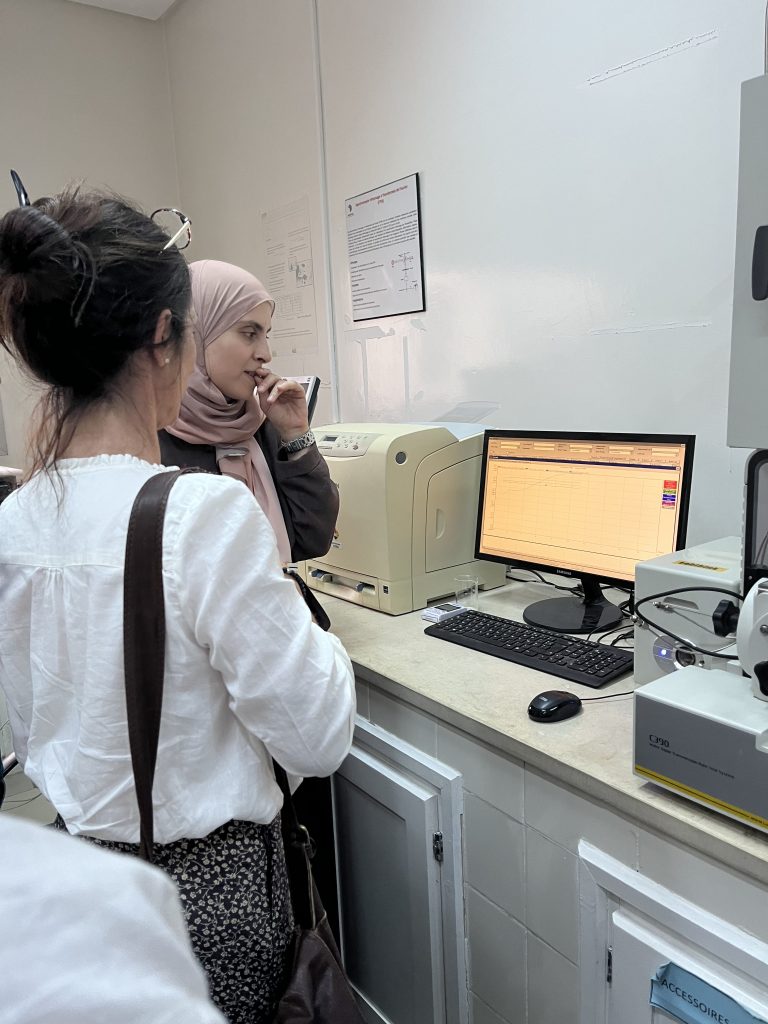
To close the two days of meetings, the consortium had the opportunity to visit CHITELIX, an innovative biotech startup based in Bizerte, Tunisia. CHITELIX specialises in upcycling seafood by-products into high-value biomaterials and bio-ingredients. These solutions directly support the circular bioeconomy.
As a result, the visit offered a first-hand look at how research and industrial ambition can come together at how research and industrial ambition can come together to generate sustainable impact. The delegation was guided through the facilities by CEO Anis Ben Ghalia and received presentations from Waad El Mejri, Head of Innovation and Technology Transfer, and Ghada Maaloul, Head of Agricultural Development, who shared the company’s vision, technical approach, and future roadmap.
Above all, for the consortium, the visit was both grounding and inspiring. It showed that the transition toward a bio-based and circular economy is already underway. Moreover, it highlighted the importance of partnerships between science and industry.
Looking Ahead
Ultimately, the 2nd Annual Meeting of INTACTBioPACK concluded with a strong sense of shared purpose. The two days confirmed not only the scientific and technical progress the project is making, but also the strength of the human networks that sustain it. Researchers, practitioners, and industry actors working together across borders and disciplines represent the true foundation of meaningful innovation.
Looking ahead, as the project enters its next phase, the INTACTBioPACK consortium moves forward with renewed energy. Partners now have clearer priorities and a deeper understanding of the market landscape they aim to transform. The journey toward sustainable, bio-based packaging for the Mediterranean region continues.


