

About the Solutions
INTACT BioPack delivers cutting-edge biodegradable and intelligent packaging solutions. These solutions reduce food waste and loss while protecting the environment. We combine natural components with smart technology. Together, they improve food preservation, boost consumer convenience, and drive sustainability forward.
Safe and Sustainable by Design
Food safety, market needs, and society’s environmental concerns drive our approach. INTACTBioPack builds on a “safe and sustainable by design” concept. We develop active and smart packaging solutions for traditional Mediterranean foods. Our goal: maximize food waste and loss (FWL) reduction across the supply chain and at home, with solutions built for consumers.
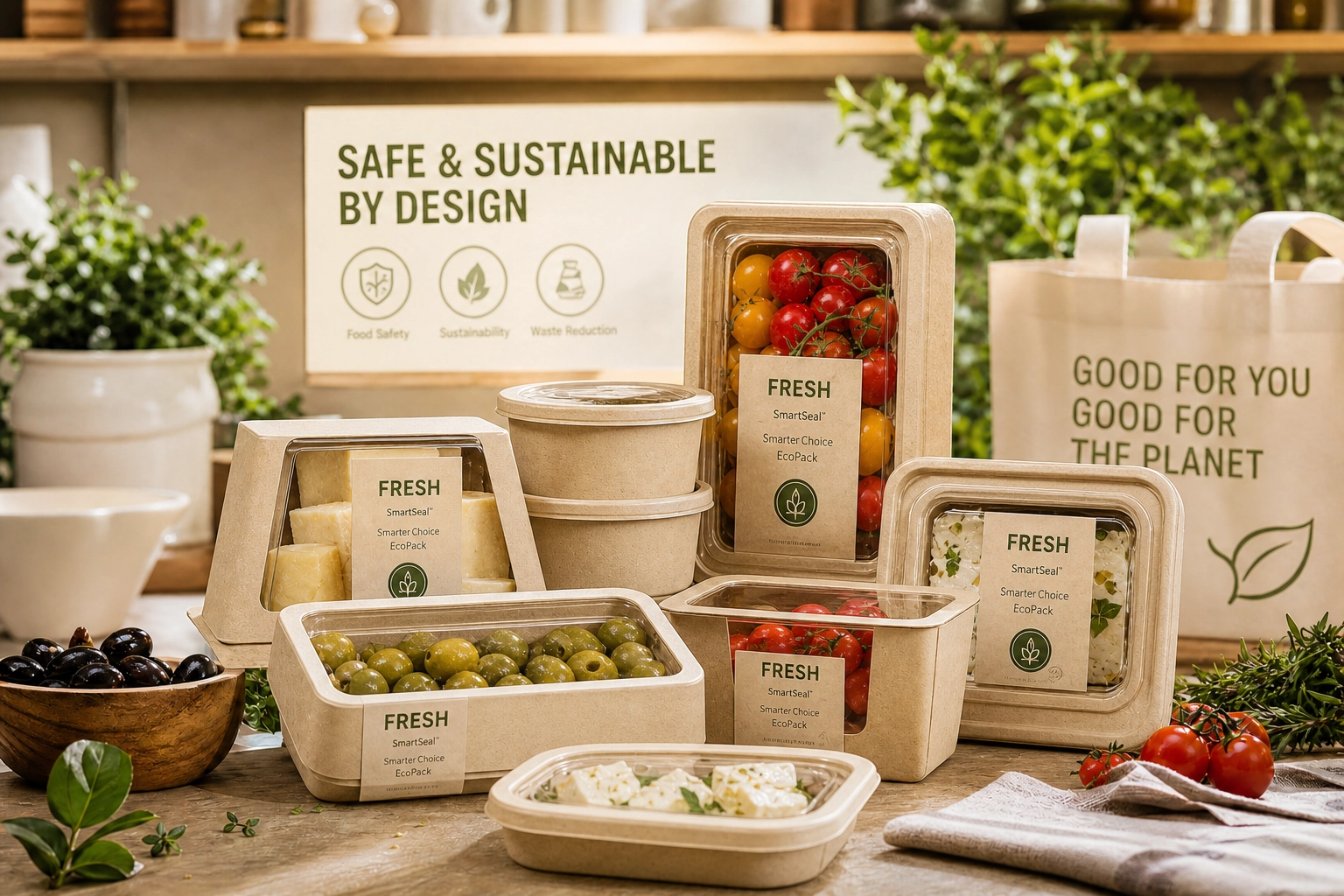
Sustainability Begins at the Source
INTACT BioPack uses bio-based, non-food, biodegradable resources like cellulose, PHA, and alginates for film supports, encapsulation matrices, and sensing layers. We also use agricultural residues like tomato peels, olive pomace, chitosan, plus plant-based chemo-sensitive dyes as active components.
Our partner laboratories produce and characterize these active ingredients at gram scale. Every protocol meets strict eco-cost sustainability criteria.

Cutting-Edge Research for Advanced Packaging Solutions
Electrospinning and nano-emulsification techniques stabilize essential oils during encapsulation, processing, and storage. These methods give us precise control over active compound application. They also help us meet minimal inhibitory concentration (MIC) targets, odor and flavor thresholds, and legal requirements.
For microbiome-based solutions, we primarily encapsulate using alginate, starch, or whey protein. We’re also exploring plant polyesters as novel micro-encapsulation agents, thanks to their hydrophobic surfaces and self-assembly capabilities — building on preliminary findings from ITQB-NOVA.
Our team will develop and calibrate RFID biosensors and colorimetric sensor arrays to monitor headspace packaging composition, including CO2 and other volatile metabolites. Consumers can track this data via smartphone (RFID) or see it directly through visual cues (colorimetric). This works especially well for high-value foods like seafood or fermented vegetables, and for monitoring at-home fermentation.

Validation and Real-World Application
Our Stakeholders Advisory Platform (SAP) brings deep expertise to this project. We use their input and our data to validate INTACT BioPack solutions technically, economically, and environmentally under near-real conditions — across distribution, retail, and consumption scenarios.
We’re testing four food categories to demonstrate how well our bio-based, active, and intelligent packaging preserves quality and safety:

Bread or other cereal-based products
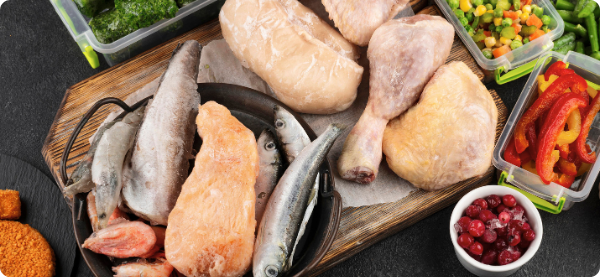
Meat or fish products
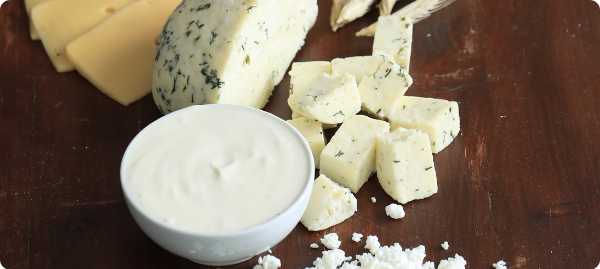
Dairy products (e.g., fresh cheese)
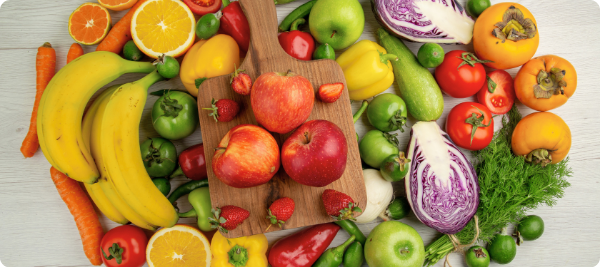
Raw and mildly processed fruits and vegetables
We’re also analyzing consumer acceptance, preferences, and willingness to pay for active and intelligent biodegradable packaging, starting with a case study in Tunisia. In-depth interviews with food chain stakeholders help us evaluate broader market acceptance.
Environmental performance remains a top priority. We’re ensuring our packaging stays home-compostable while balancing antimicrobial effectiveness with biodegradability. Our ICT solutions are reusable by design, keeping costs low and avoiding any impact on biodegradability.


