
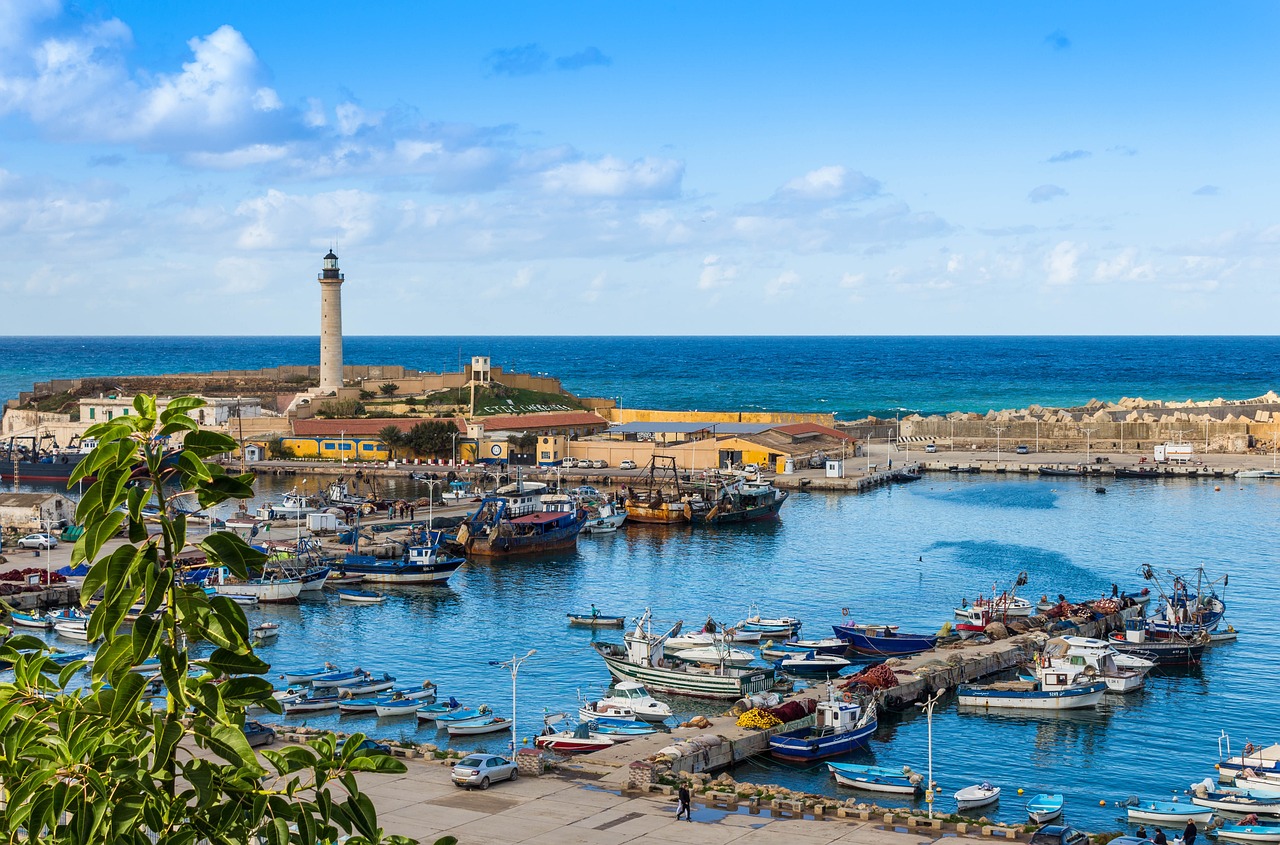
About INTACTBioPack: Sustainable Food Packaging for the Mediterranean
Amid rising challenges in the Mediterranean, extraordinary solutions rooted in science and robust collaboration are essential. INTACT BioPack brings together innovation and teamwork to tackle food waste, plastic pollution, and environmental sustainability with cutting-edge packaging technologies.
Context
The Mediterranean: A Region in Crisis
The Mediterranean region faces growing challenges linked to climate change, food loss and waste, plastic pollution, and pressure on food supply chains. Addressing these challenges requires innovative solutions that combine scientific research, sustainable technologies, and strong collaboration.
INTACTBioPack is developing sustainable food packaging solutions for Mediterranean food products, combining biodegradable and home-compostable materials with active and intelligent packaging technologies. The project aims to help reduce food waste, improve food safety, extend shelf life, and reduce the environmental impact of conventional plastic packaging.
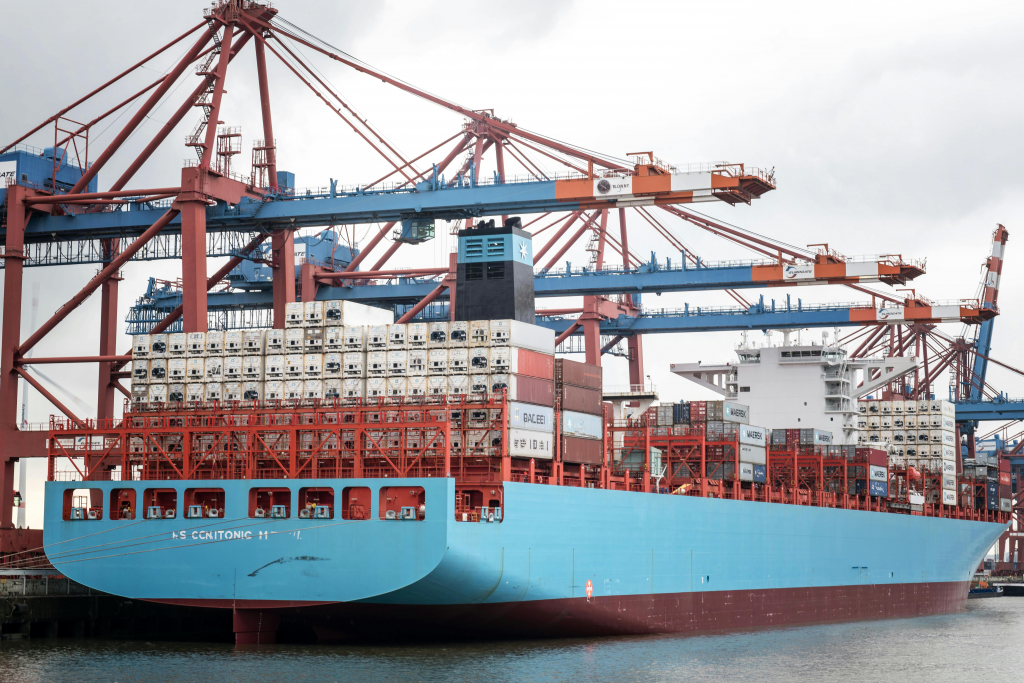
The Mediterranean: A Region Facing Growing Challenges
The Mediterranean region is particularly vulnerable to the impacts of climate change and faces additional demographic, economic, political, and social pressures. These challenges can disrupt food supply chains, increase dependence on imports, and contribute to rising food prices.
At the same time, food loss and waste (FLW) place additional pressure on food systems and natural resources. Food that is produced but never consumed represents wasted land, water, energy, and other resources. Food waste can also contribute to unnecessary packaging use and environmental pollution.
Sustainable food packaging can play an important role in addressing these challenges.
“Packaging plays a crucial role in addressing key challenges of sustainable food consumption by reducing both usage inefficiencies and waste.“
Solution
Innovative Packaging Solutions to Reduce Food Waste
INTACTBioPack focuses on active and intelligent food packaging designed to improve food preservation, enhance safety, and reduce food loss and waste.
The project combines natural antimicrobial compounds, beneficial microorganisms, and intelligent freshness indicators to develop packaging solutions adapted to Mediterranean food products and consumption conditions.
Two complementary packaging strategies are being developed.
Active Packaging for Market Products
The first strategy focuses on packaging for food products sold through conventional markets and supply chains.
Natural antimicrobial compounds can be incorporated into packaging materials to help control microbial growth during storage. At the same time, intelligent packaging systems and freshness indicators can provide information about the condition of food and help consumers make safer and more informed decisions.
By helping maintain food quality and extend shelf life, these technologies have the potential to:
- Reduce food spoilage and food waste
- Improve food safety
- Extend the shelf life of food products
- Provide consumers with useful freshness information
- Reduce the environmental impact associated with wasted food
Reusable Packaging for Leftovers
The second strategy explores reusable packaging systems for food leftovers at home.
Microbiome-based solutions can help initiate controlled fermentation processes that support food preservation while creating new opportunities for household food management. Intelligent systems can also be integrated to monitor the progress of fermentation and provide information to consumers.
This approach aims to transform packaging from a passive container into an active tool for food preservation, household food management, and sustainable consumption.
Biodegradable and Home-Compostable Packaging
INTACTBioPack also addresses the environmental challenges associated with conventional plastic packaging.
The project is developing biodegradable and home-compostable packaging materials designed to reduce dependence on conventional plastics and support more sustainable end-of-life options.
Home compostability can be particularly relevant in areas where waste collection, recycling, and treatment infrastructure remain limited. Packaging designed with appropriate biodegradable and compostable properties can contribute to reducing persistent plastic waste and supporting more circular approaches to food packaging.

Sustainable Food Packaging Designed for Mediterranean Conditions
INTACTBioPack develops cost-effective, biodegradable, and home-compostable packaging solutions with dual functionality.
These solutions combine:
- Protective barrier properties to help preserve food quality
- Natural active components to support food protection
- Intelligent indicators and sensing technologies to provide information about food condition
- Biodegradable and home-compostable materials to reduce environmental impact
The technologies are being developed with the specific needs of Mediterranean food products, consumers, and environmental conditions in mind.
By extending shelf life and reducing food spoilage, sustainable packaging can help prevent unnecessary food waste. At the same time, biodegradable and compostable materials can contribute to reducing the persistence of plastic packaging in the environment.
A Multidisciplinary European and Mediterranean Collaboration
INTACTBioPack demonstrates the importance of multidisciplinary collaboration in developing sustainable food packaging technologies.
The project brings together researchers, engineers, food scientists, social scientists, and industry stakeholders from across the Mediterranean and Europe. By combining expertise from different disciplines, the consortium works to develop packaging solutions that are scientifically robust, technologically relevant, environmentally responsible, and aligned with consumer needs.
Research areas include:
- Materials science and biopolymers
- Food microbiology and microbiomes
- Active and intelligent packaging
- Food technology and shelf-life assessment
- Sensors and monitoring technologies
- Environmental impact assessment
- Consumer behaviour and acceptance
- Sustainable food systems
Through collaboration between research institutions, industry, stakeholders, and consumers, INTACTBioPack aims to bridge the gap between scientific innovation and practical sustainable packaging solutions.
Towards a More Sustainable Mediterranean Food System
INTACTBioPack seeks to demonstrate how innovative sustainable food packaging can contribute to a more resilient Mediterranean food system.
By combining biodegradable materials, active packaging, intelligent technologies, microbiome-based solutions, and multidisciplinary research, the project aims to reduce food loss and waste while addressing the environmental impact of conventional packaging.
The ultimate goal is to develop packaging solutions that are safer, smarter, more sustainable, and better adapted to the needs of Mediterranean food systems.


