
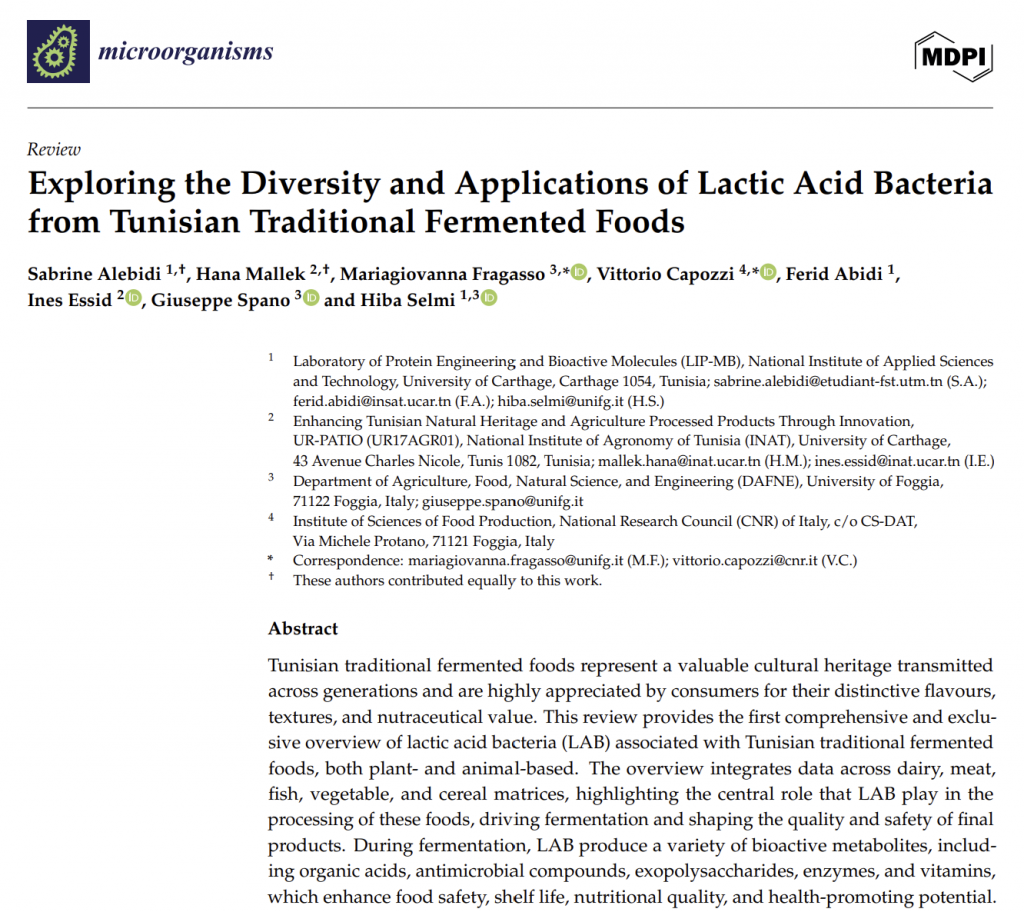
Tunisian fermented foods lactic acid bacteria represent a rich and largely untapped resource for food science. For generations, Tunisian communities have passed down traditional fermentation techniques. As a result, these foods carry not only cultural value but also distinctive flavours, textures, and health benefits.
A Comprehensive Review of Tunisian Microbial Heritage
A new review brings together researchers from Tunisia and Italy to map this microbial diversity for the first time. Specifically, the team includes Sabrine Alebidi, Hana Mallek, Mariagiovanna Fragasso, Vittorio Capozzi, Ferid Abidi, Ines Essid, Giuseppe Spano, and Hiba Selmi. Together, they represent institutions including the University of Carthage, the University of Foggia, and the National Research Council of Italy (CNR).
Lactic Acid Bacteria Across Five Food Categories
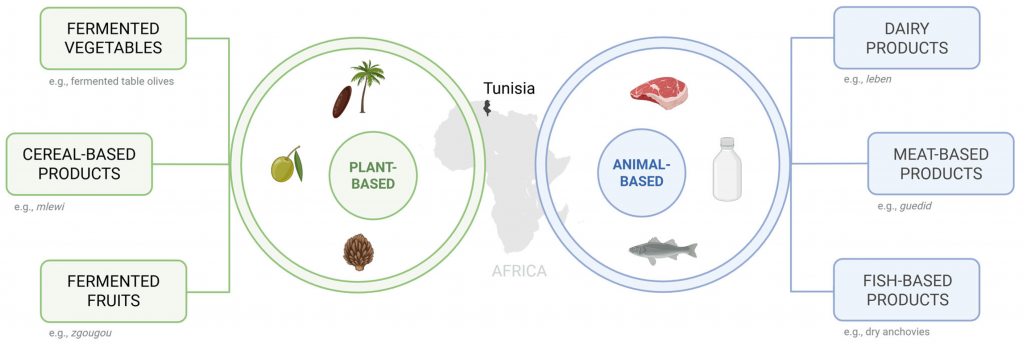
This review covers lactic acid bacteria (LAB) found across a wide range of Tunisian fermented foods. In particular, the researchers examined dairy, meat, fish, vegetable, and cereal-based products. Throughout fermentation, LAB drive essential processes that shape both the quality and safety of these foods.
The Hidden Power of Bioactive Compounds
During fermentation, LAB produce a range of valuable compounds. These include organic acids, antimicrobial substances, exopolysaccharides, enzymes, and vitamins. Consequently, these compounds enhance food safety, extend shelf life, and boost nutritional and health-promoting properties.
Untapped Potential for Innovation
Importantly, many of the LAB strains identified in this review show strong potential as starter cultures, protective cultures, or probiotics. Moreover, these strains have a long history of safe use, making them promising candidates for future food product development. By consolidating this evidence, the review positions Tunisian LAB as a valuable resource for both preserving traditional foods and developing innovative food systems.
Key Gaps for Future Research
However, the review also identifies important knowledge gaps. For instance, researchers found limited use of modern omics-based tools, insufficient genomic safety assessments, and a lack of systematic analysis linking LAB diversity to desired food qualities. Addressing these gaps will be essential for translating traditional knowledge into industrial applications.
This research strongly supports INTACTBioPACK’s mission to valorise Mediterranean agri-food heritage through scientific innovation. By bridging artisanal fermentation knowledge with modern food microbiology, this review offers strategic direction for sustainable food system development across the region. To learn more about our work on microbial resources and sustainable food innovation, visit our research page.
Reference: Alebidi, S., Mallek, H., Fragasso, M., Capozzi, V., Abidi, F., Essid, I., Spano, G., & Selmi, H. Exploring the Diversity and Applications of Lactic Acid Bacteria from Tunisian Traditional Fermented Foods. Read the full article here.


